
Why We Need to Periodise Work Intensity – Like Elite Athletes Do
Most organisations say they want sustained high performance.
But many are designing permanent peak performance.
In elite sport, there is one principle every coach understands:
Peak performance is not sustainable.
High performance is. Peak performance is not.
An Olympic runner does not train at maximum intensity every day. A tennis player does not compete at Grand Slam intensity for 52 weeks. An NBA player does not play Finals-level basketball every week.
They use periodisation.
What Is Periodisation?
Periodisation is the structured cycling of intensity over time.
It deliberately alternates:
Intensity
Taper
Recovery
Rebuild
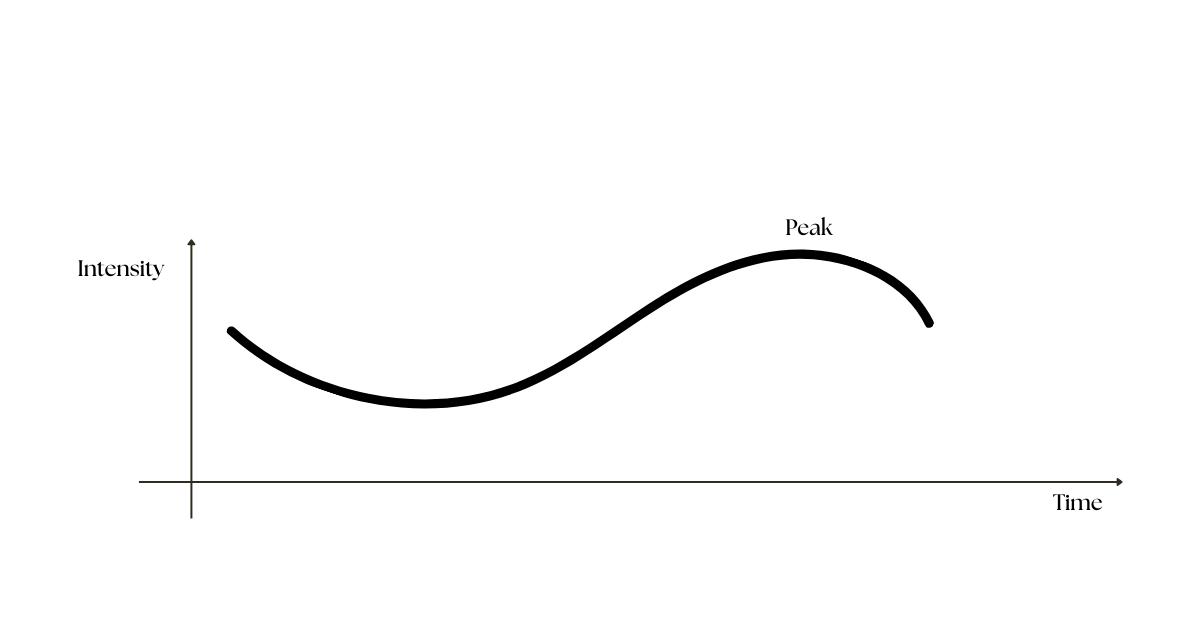
Stress is applied intentionally. Recovery is applied intentionally. Both are planned.
Without recovery, training breaks the athlete. With recovery, training builds adaptation.
Energy is the currency of sustainable performance. Periodisation protects it.
The Corporate Athlete Problem
Many organisations have quietly abandoned periodisation.
Instead, we operate in permanent peak mode.
Board cycle → transformation → launch → restructure → cost pressure → next deadline.
No taper. No decompression. No institutional recovery.
What follows is predictable:
Stress becomes chronic rather than acute
Prioritisation erodes
Psychological safety reduces
Capacity conversations disappear
Performance becomes reactive
Burnout risk rises
In sport, we would never call this resilience failure.
We would call it poor programme design.
Organisations rarely fail because of ambition. They fail because of accumulated, unmanaged intensity.
Stress Is Not the Enemy. Chronic Stress Is.
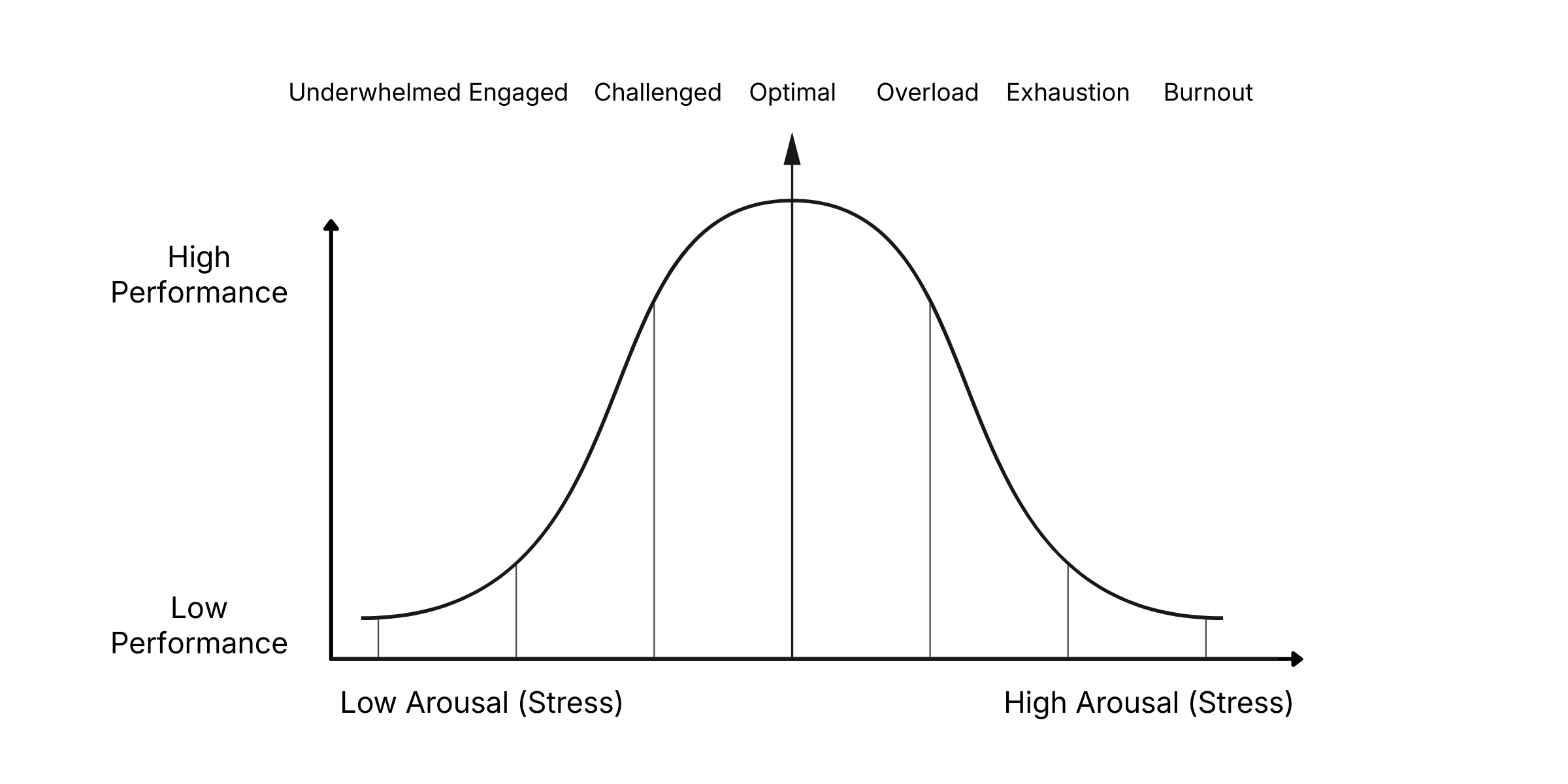
Acute stress improves focus and execution. Elite athletes rely on it.
But the nervous system requires recovery.
Chronic cortisol exposure reduces cognitive flexibility, increases emotional reactivity, and narrows decision quality. Recovery debt accumulates quietly. Performance declines later.
Without recovery, we see:
Emotional volatility
Reduced clarity
Increased conflict
Decision fatigue
Physical symptoms
Loss of motivation
In sport, this is not weakness. It is a programming error.
Translating Periodisation into Work
Periodisation at work is not about meditation apps or individual resilience. It is structural.
1. Intentional Peaking
Acknowledge intense cycles:
Product launches
Board periods
Audit windows
M&A phases
Transformation sprints
Name them peaks. Normalise intensity.
2. Visible Recovery Windows
After peak cycles:
Reduce meeting load temporarily
Pause new initiatives
Protect focus time
Encourage decompression
Not as a reward. As performance design.
3. Subtract Before You Add
If something urgent enters the system:
What leaves?
What pauses?
What stops?
Psychological safety is linked to prioritisation. If people cannot say "I am at capacity," intensity accumulates invisibly.
4. Team-Level Circuit Breakers
Recovery cannot sit solely with the individual. If the system does not pause, the individual cannot either.
Introduce:
Post-project reset weeks
No-internal-meeting blocks
Quarterly intensity audits
Workload heat-mapping
Protected thinking time
These are not wellbeing perks. They are high-performance enablers.
The Framing Shift
Wellbeing is sometimes perceived as soft.
Sustainable high performance is not.
Recovery is not the opposite of ambition. It is the condition that makes ambition viable.
Elite athletes do not recover because they are fragile. They recover because they are serious about winning.
Leaders who design recovery into performance cycles do not lower standards. They extend them.
The Leadership Question
Are we designing our organisations like elite training programmes?
Or are we asking people to run finals every week?
High performance requires stress. Sustainable performance requires stress plus recovery.
Periodisation is not a wellness idea. It is performance architecture.
And it may be the missing link in preventing burnout while still delivering ambitious outcomes.
